In a digital world overflowing with options, trust has become the real currency. Users are more skeptical, more informed, and quicker to walk away when experiences feel fragmented or unclear.
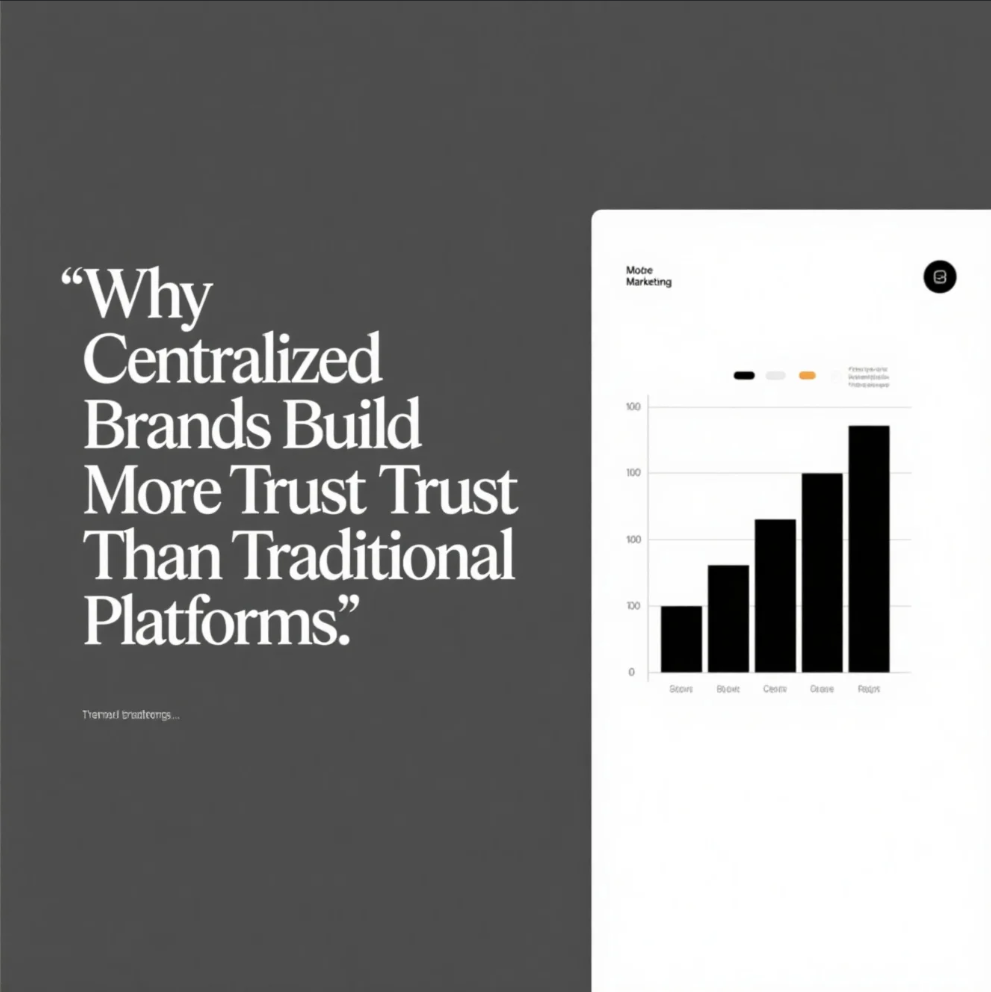
That’s why a noticeable shift is happening: centralized brands are building more trust than traditional platforms. By offering unified experiences, clear accountability, and consistent communication, centralized brands are redefining what reliability looks like in the modern era.
What Is a Centralized Brand?
A centralized brand operates from a single, cohesive ecosystem rather than a patchwork of disconnected tools, services, or identities.
Key Characteristics
- One unified platform or system
- Consistent brand voice and design
- Centralized data and user experience
- Clear ownership and accountability
Traditional platforms, by contrast, often rely on multiple third-party layers that dilute responsibility and coherence.
Trust Starts With Consistency
Consistency is the foundation of trust.
How Centralization Helps
- Uniform user experience across touchpoints
- Predictable service quality
- Stable policies and communication
- Fewer conflicting messages
When users know what to expect every time, confidence grows naturally.
Clear Accountability Builds Confidence
One of the biggest trust gaps in traditional platforms is blurred responsibility.
Centralized Brands Offer
- A single point of ownership
- Clear decision-making authority
- Direct customer support channels
- Transparent policies
When something goes wrong, users know who is responsible—and that clarity matters.
Unified Experiences Reduce Friction
Fragmentation creates doubt.
Problems With Traditional Platforms
- Multiple logins
- Inconsistent interfaces
- Data spread across systems
- Disjointed customer journeys
Centralized brands remove friction by keeping everything connected, making interactions feel intentional rather than improvised.
Stronger Data Stewardship
Trust today is closely tied to how data is handled.
Why Centralization Feels Safer
- Fewer data handoffs between third parties
- Clear data governance
- Easier compliance and monitoring
- More transparent privacy practices
Users are more likely to trust brands that visibly control and protect their data.
Communication Becomes More Human
Centralized brands speak with one voice, not many.
This Results In
- Clearer updates and announcements
- Faster responses to issues
- More authentic engagement
- Less corporate deflection
A single, consistent voice feels more human—and more trustworthy.
Brand Identity Is Easier to Trust Than Platforms
People trust brands, not systems.
Why Brands Win
- Emotional connection
- Recognizable values
- Long-term relationships
- Cultural relevance
Traditional platforms often feel transactional. Centralized brands feel intentional.
Fewer Middlemen, Fewer Surprises
Each added layer introduces uncertainty.
Centralization Reduces
- Service inconsistencies
- Conflicting incentives
- Support delays
- Policy confusion
Simpler structures lead to more predictable outcomes—and predictability builds trust.
Why This Matters More Than Ever
In 2025 and beyond, users prioritize:
- Transparency
- Stability
- Simplicity
- Accountability
Centralized brands align naturally with these expectations, while fragmented platforms struggle to adapt.
What This Means for Businesses
To build trust, modern brands should:
- Consolidate tools and experiences
- Clarify ownership and responsibility
- Maintain consistent messaging
- Reduce unnecessary complexity
Trust isn’t claimed—it’s designed.
Conclusion
The reason centralized brands build more trust than traditional platforms is simple: clarity beats complexity. When experiences are unified, communication is consistent, and accountability is obvious, trust follows.
In an era of choice overload and digital skepticism, the brands that win won’t be the loudest—they’ll be the most reliable.