Modern digital life was supposed to make things easier. Instead, many people now juggle dozens of apps—one for messages, another for payments, another for work, another for personal tasks. Notifications never stop, context-switching is constant, and digital fatigue is real.
That’s why a growing shift is underway: from multiple apps to one unified experience. The move toward a unified digital life is redefining how individuals and businesses manage information, communication, and daily workflows.
The Problem With App Overload
More apps don’t equal more productivity.
Common Issues Caused by App Fragmentation
- Constant switching between platforms
- Duplicate data across tools
- Missed messages and notifications
- Higher cognitive load
- Lower focus and efficiency
Instead of serving users, many apps now compete for attention.
What Is a Unified Digital Life?
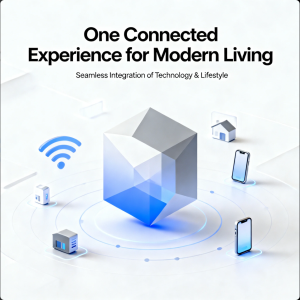
A unified digital life brings essential functions together into one integrated ecosystem rather than scattering them across multiple platforms.
Typically Unified Functions Include
- Messaging and communication
- Payments and financial tools
- Task and workflow management
- Content, files, and data access
- Identity and security
The goal is simplicity, continuity, and control.
Why Users Are Moving Toward Unified Platforms
The shift isn’t driven by novelty—it’s driven by necessity.
Key Reasons Behind the Shift
- Desire for fewer distractions
- Faster task completion
- Centralized data and visibility
- Easier learning curves
- Reduced digital stress
Unified platforms help users focus on doing, not managing tools.
How Businesses Benefit From Unification
The unified digital life trend extends beyond personal use—it’s reshaping business operations.
Business Advantages
- Fewer disconnected systems
- Better data consistency
- Faster decision-making
- Improved collaboration
- Lower operational overhead
When systems talk to each other, teams move faster.
The Role of Integration and Automation
Unification works because of integration behind the scenes.
What Makes Unified Platforms Effective
- Shared databases across functions
- Automated workflows between tools
- Single sign-on and identity management
- Real-time syncing
Automation removes friction; integration removes silos.
Security and Trust in a Unified Digital World
With everything in one place, security becomes more important—not less.
How Modern Unified Platforms Address This
- Centralized access control
- Strong authentication methods
- Fewer vulnerable integrations
- Easier monitoring and auditing
One secure system is often safer than many loosely connected ones.
Real-World Examples of the Shift
You can already see this transition happening.
Where Unification Is Taking Hold
- Super apps combining payments, messaging, and services
- All-in-one work platforms replacing multiple tools
- Integrated customer platforms replacing fragmented CRMs
- Personal dashboards combining health, finance, and scheduling
The pattern is clear: less switching, more flow.
Challenges of Going Unified
Unification isn’t without trade-offs.
Common Concerns
- Vendor lock-in
- Overloaded platforms
- Learning new systems
- Migration complexity
The key is choosing flexible platforms that scale without becoming bloated.
What the Future of Digital Life Looks Like
The next phase of digital life prioritizes:
- Fewer interfaces
- Smarter automation
- Context-aware systems
- Personalization without overload
Instead of asking which app should I open?, users will ask what do I want to do?
Why This Shift Matters
The move toward a unified digital life isn’t about convenience alone—it’s about reclaiming time, attention, and mental space.
When digital tools align with human behavior rather than fight it, technology becomes supportive instead of exhausting.
Conclusion
The era of managing dozens of disconnected apps is fading. In its place, a more intentional, integrated approach is emerging—one that values clarity over clutter.
From multiple apps to one, the shift toward a unified digital life represents a return to simplicity, focus, and meaningful digital experiences.
The future isn’t more tools—it’s better ones, working together.