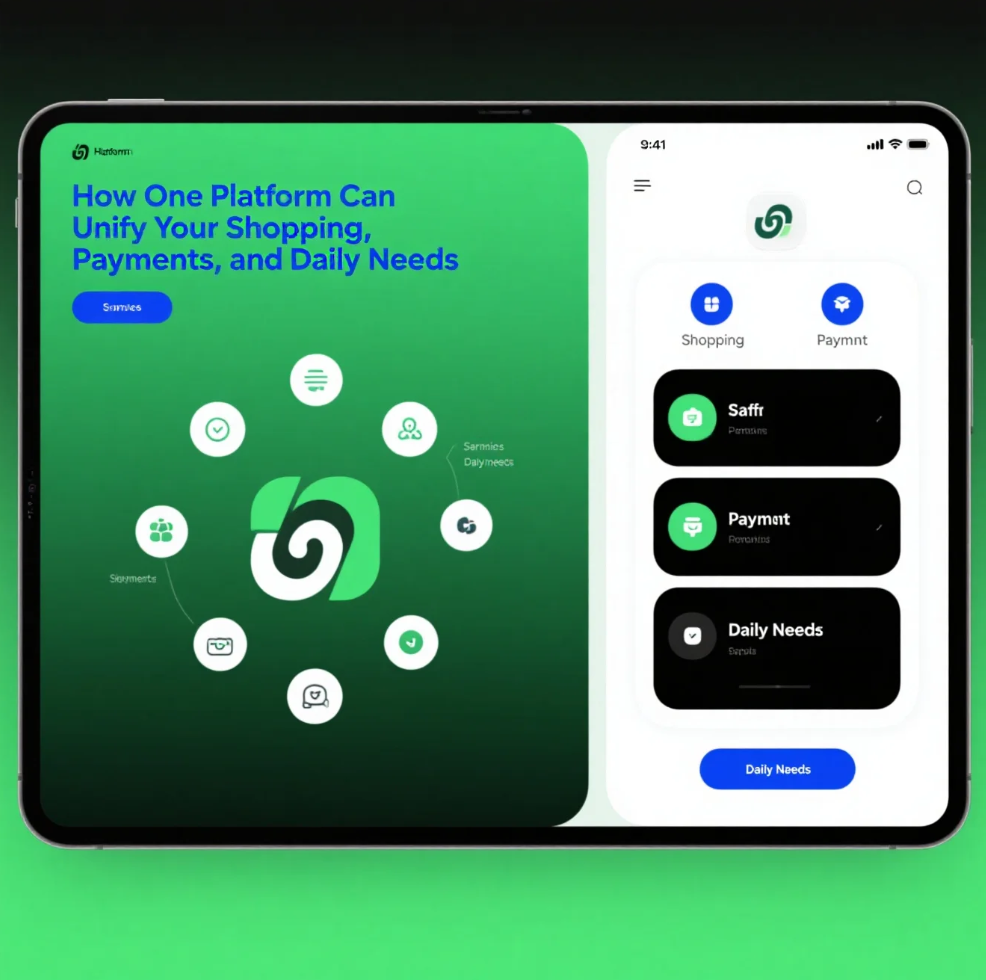
Modern life is increasingly fragmented across multiple apps—one for shopping, another for payments, and several more for daily services. A unified digital lifestyle platform changes that by bringing everything together in one place. With a single app, users can shop, pay, and manage everyday needs seamlessly—saving time, reducing friction, and simplifying daily routines.
The Problem with App Overload
Today’s digital consumers juggle dozens of applications, each with its own login, interface, and workflow.
Common challenges include:
- Switching between apps for simple tasks
- Repeating payment and identity verification
- Inconsistent user experiences
- Increased security and privacy risks
Fragmentation doesn’t just slow users down—it creates frustration.
What a Unified Platform Really Means
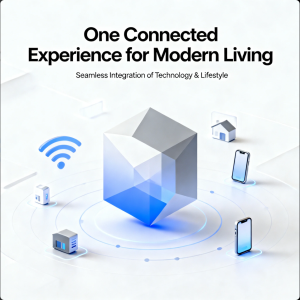
A single platform that integrates shopping, payments, and daily services creates a connected ecosystem rather than isolated tools.
Core features typically include:
- Centralized user account and wallet
- Integrated marketplace for goods and services
- Seamless checkout and payment processing
- Personalized recommendations based on usage
The result is a smoother, more intuitive digital experience.
Seamless Shopping in One Ecosystem
With everything unified, shopping becomes faster and smarter.
User benefits:
- One cart for multiple merchants
- Faster checkout with stored payment methods
- Unified order tracking and customer support
- Personalized offers and loyalty rewards
This approach reduces friction and increases confidence at every step of the buying journey.
Payments That Power Daily Life
Payments are the backbone of any unified platform. By integrating a secure digital wallet, users can handle transactions effortlessly.
Common payment use cases include:
- Online and in-app purchases
- Bill payments and subscriptions
- Peer-to-peer transfers
- Contactless and QR-based payments
Key advantage: One wallet, multiple use cases—no need to re-enter details.
Managing Daily Needs with Ease
Beyond shopping and payments, unified platforms extend into everyday services.
Examples of daily needs supported:
- Food delivery and groceries
- Transportation and mobility services
- Utility and mobile top-ups
- Event bookings and digital services
By centralizing these functions, users gain control and visibility over their daily activities.
Personalization Through Integration
Because all activities happen within one ecosystem, platforms can deliver smarter personalization.
How this helps users:
- Relevant recommendations, not generic ads
- Tailored promotions and reminders
- A dashboard that reflects real habits
Personalization transforms convenience into a truly customized experience.
Security and Trust in One Place
Managing multiple apps increases exposure to security risks. A unified platform simplifies protection.
Security advantages include:
- Single, well-protected identity
- Consistent fraud detection
- Centralized privacy controls
With fewer entry points, users gain greater peace of mind.
The Future of Digital Convenience
As consumers demand simplicity, unified platforms are becoming the standard rather than the exception. The future points toward ecosystems that adapt to users—not the other way around.
Trend insight: Convenience, integration, and trust will define the next generation of digital platforms.
Further Reading (Outbound Links)
- The rise of super apps: Harvard Business Review
- Digital payments evolution: McKinsey & Company
- UX design for integrated platforms: Nielsen Norman Group
Conclusion
A unified digital lifestyle platform brings shopping, payments, and daily needs together into one seamless experience. By reducing complexity and enhancing personalization, a single platform can transform how people interact with digital services—making everyday life simpler, faster, and more connected.