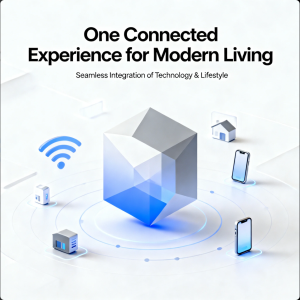
Modern organizations don’t struggle because they lack technology. They struggle because their technology is fragmented. Tools don’t communicate, data lives in silos, and teams operate with partial visibility.
Designed to bring everything together is more than a promise—it’s a philosophy. One that replaces complexity with clarity and turns disconnected systems into a unified, intelligent whole.
What “Bringing Everything Together” Really Means
Bringing everything together means creating one connected environment where people, processes, and data move in sync.
Core Elements of Unification
- Centralized data across departments
- Integrated workflows and tools
- Real-time visibility and reporting
- Consistent user experience
Instead of switching between platforms, teams operate from a single source of truth.
👉 Industry perspective on system integration:
Gartner – The Value of Unified Platforms
https://www.gartner.com/
Designed With Purpose, Not Just Function
True unification doesn’t happen by accident—it’s designed.
Intentional Design Principles
- Simplicity over feature overload
- Scalability without complexity
- Automation that supports people
- Security built into the foundation
This design-first approach ensures systems grow with the business instead of slowing it down.
Why Unified Design Matters More Than Ever
As organizations scale, fragmentation becomes expensive.
The Cost of Disconnected Systems
- Slower decision-making
- Higher operational costs
- Increased risk and errors
- Burnout from manual work
Platforms designed to bring everything together reduce friction and enable faster, smarter action.
👉 Digital transformation insight:
McKinsey – Integrated Digital Operations
https://www.mckinsey.com/
From Disconnection to Alignment
Before unification:
- Multiple tools and dashboards
- Conflicting data
- Reactive decision-making
After unification:
- One platform
- Shared understanding
- Confident, proactive execution
When everything works together, teams move forward together.
Built for Teams, Leaders, and Growth
A system designed to bring everything together benefits everyone:
- Teams gain clarity and efficiency
- Leaders gain visibility and control
- Organizations gain scalability and resilience
Unification turns operations into a strategic advantage.
Future-Ready by Design
The best platforms are not just unified—they are adaptable.
- Modular architecture
- Seamless integrations
- Automation powered by data
- Ready for AI and emerging technologies
Designed to bring everything together also means designed to evolve.
Conclusion
Designed to bring everything together is about intentional simplicity in a complex world. It’s about giving organizations the clarity to act, the confidence to scale, and the structure to grow without friction.
When systems align, progress accelerates—and control becomes effortless.